
25+
Years Of Experience
Roofs Built to Handle Decades of Weather
Residential Roofing in Chicago for homes with leaking shingles, storm damage, or aging flat roof membranes
Shingle tabs that curl upward, granule loss that exposes the asphalt mat underneath, or soft spots on a flat roof surface signal that the roofing system no longer sheds water reliably. A licensed roofing company serving Chicago installs new roofs, replaces worn systems, and repairs localized damage on both asphalt shingle roofs and flat roofing assemblies. Proper installation involves layering materials in a sequence that directs water away from penetrations and toward drainage points, preventing leaks that lead to interior damage and mold growth.
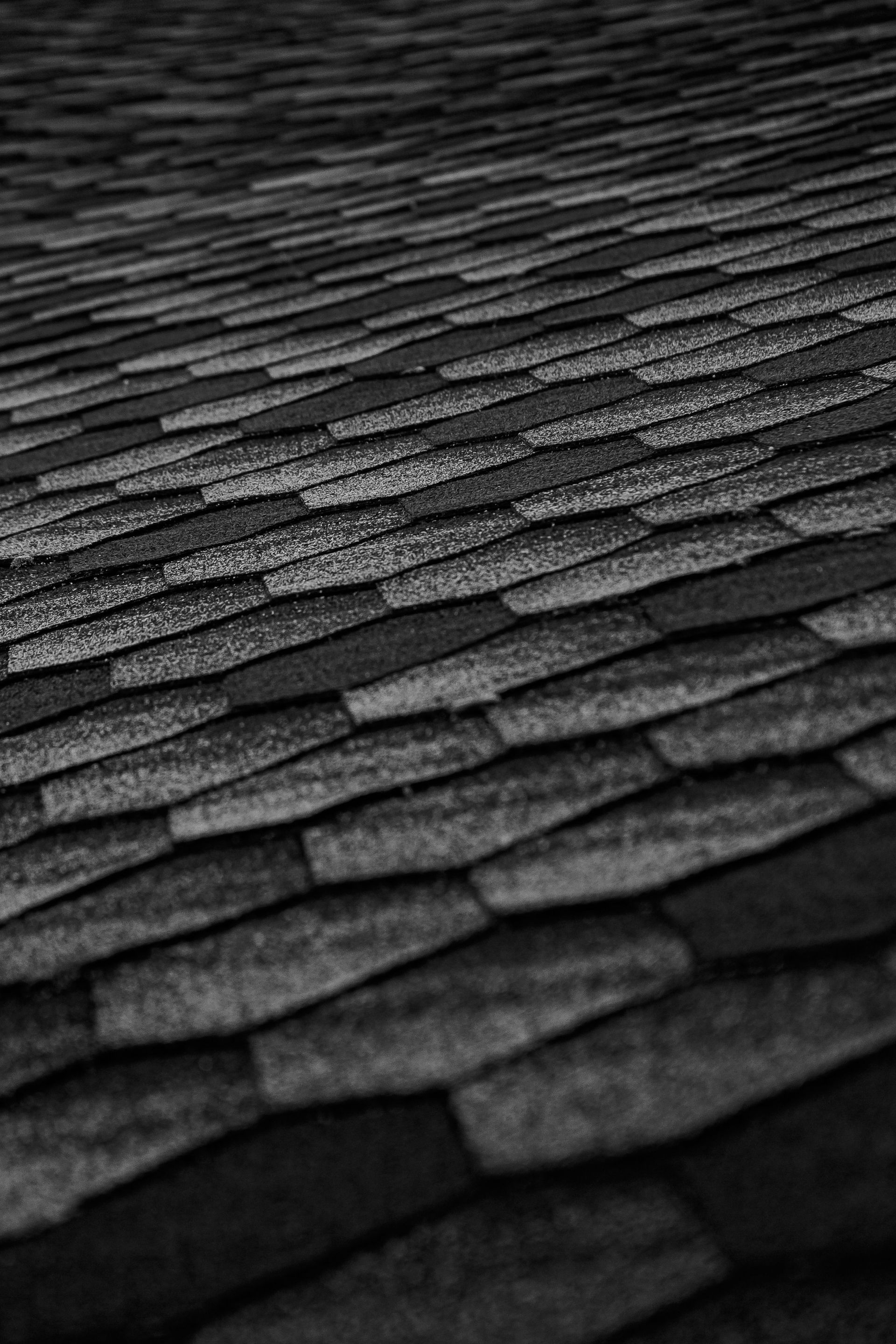
Asphalt shingle roofing uses overlapping rows of fiberglass-backed tabs fastened to roof decking, with each course covering the nails of the row below. Flat roofs typically use modified bitumen, EPDM rubber, or TPO membranes adhered or mechanically fastened over insulation boards. Both systems rely on flashing around chimneys, vents, and roof edges to seal transitions where water tends to penetrate. In Chicago, freeze-thaw cycles and ice damming at roof edges accelerate wear, making proper underlayment and ventilation critical for longevity.
Arrange an on-site inspection to identify which sections of your roof require immediate repair or full replacement before the next storm season.
How Roofing Work Addresses Leak Patterns
Roof installation begins with removing old materials down to the decking, inspecting for water-damaged sheathing, and replacing any rotted plywood or OSB panels. A waterproof underlayment is rolled across the entire deck, followed by drip edge along the eaves and rakes. Shingles are then nailed in staggered rows starting from the bottom edge, with each tab positioned to cover the fasteners below. Flat roof installations involve securing insulation boards, rolling out membrane sheets with overlapping seams, and heat-welding or adhering those seams to create a continuous water barrier.
After the roof is complete, water runs off shingle surfaces into gutters without pooling or seeping under tabs. Flat roofs drain through scuppers or interior drains without ponding in low spots. Attic temperatures stay more consistent because ventilation along the ridge and soffit allows air movement, reducing ice dam formation during winter. You'll also notice that ceiling stains stop spreading and insulation remains dry during rainstorms.
Roof repairs address isolated problems like missing shingles, damaged flashing, or punctured flat roof membranes without replacing the entire system. Full replacement becomes necessary when multiple leaks appear, shingle granules have worn away across large sections, or the decking shows widespread rot from long-term moisture exposure. This roofing company holds Residential Roofing License Numbers 104.020147 and 105.011026, meeting local permitting and insurance requirements for residential work.
Common Questions About Roof Projects
Homeowners typically ask about material choices, project timing, and how to tell when a repair is sufficient versus needing a full roof replacement.
What is the difference between asphalt shingle and flat roofing systems?
Asphalt shingles rely on gravity and overlapping layers to shed water down a sloped surface, while flat roofs use continuous rubber or modified bitumen membranes adhered to a nearly level deck. Flat roofs require more attention to drainage design because water doesn't run off as quickly.
How do you know if your roof needs replacement or just repair?
If leaks occur in multiple rooms, shingles are curling or missing across large areas, or the roof is older than 20 years, replacement is usually more cost-effective than repeated repairs. Isolated damage from a fallen branch or a single torn shingle can often be patched without touching the rest of the roof.
What causes ice dams on Chicago roofs?
Heat escaping through the attic melts snow on the upper roof, and that water refreezes at the colder eave edge, forming a ridge of ice that traps runoff. Proper attic insulation and ventilation reduce heat transfer, keeping the roof surface cold enough to prevent melting and refreezing cycles.
Why do some flat roofs develop ponding water?
Low spots in the decking or sagging insulation boards create depressions where water collects instead of draining. Standing water accelerates membrane breakdown and increases leak risk, so flat roof installations include tapered insulation or careful decking leveling to direct water toward drains.
What does a roofing company check during an inspection?
The crew examines shingle condition, flashing integrity, decking stability from inside the attic, and signs of water staining on ceilings. For flat roofs, they look for membrane blistering, seam separation, and drainage function to determine whether localized repairs or full replacement is needed.
This licensed roofing company provides installation, replacement, and repair for both asphalt shingle and flat roof systems across Chicago's residential neighborhoods. Schedule a roof evaluation to assess current condition and review material options suited to your home's structure and budget.